Respect for life
Nature is valuable in its own right. Preserving species and their habitats is a goal in itself.
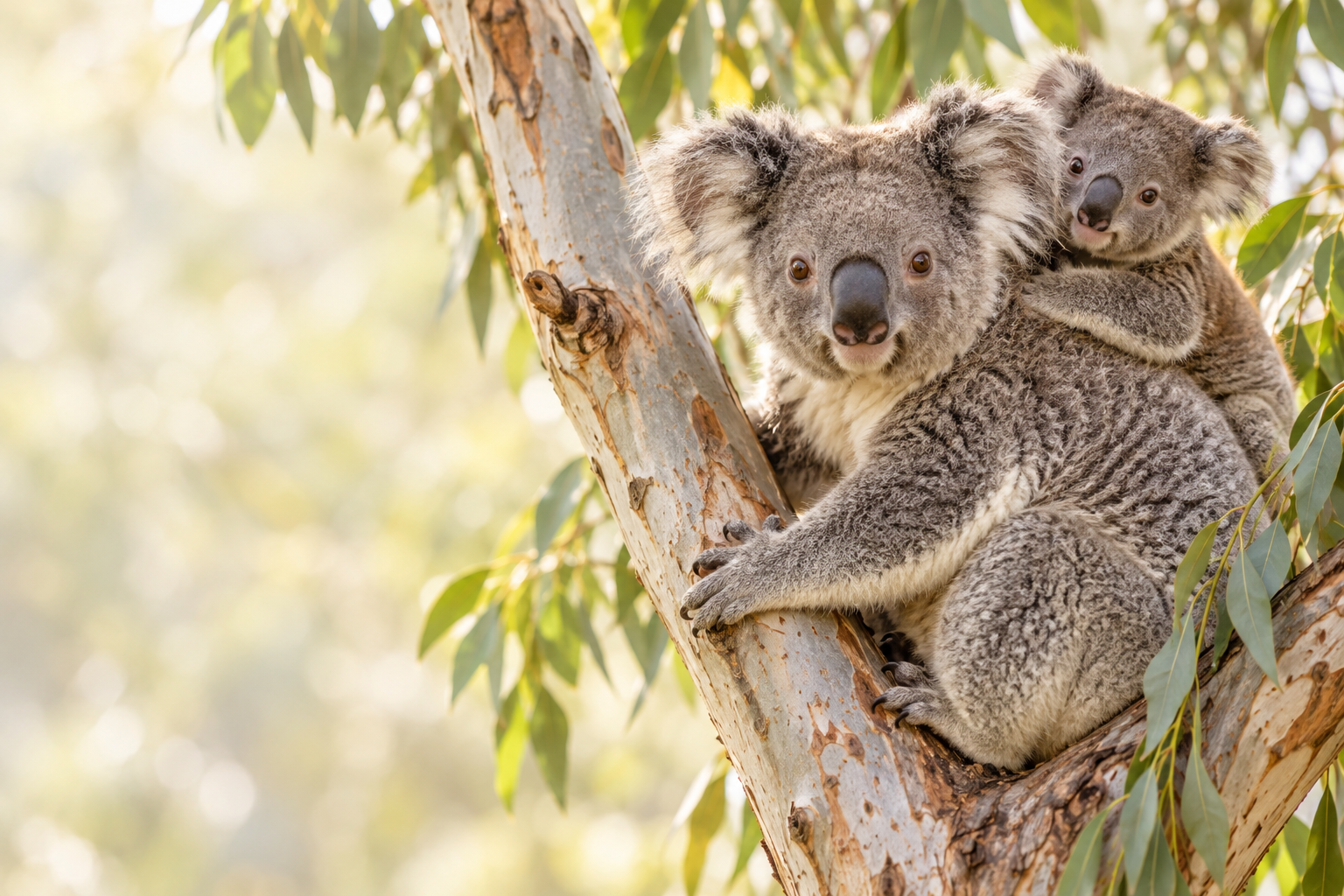
 Earth — humanity’s
AKAVAKA · A public education project
A world we love.
A future we care for.
01 / Why it matters
A forest is more than timber.
A river is more than a resource.
Life is more than its usefulness to us.
We are part of nature and share this home with other living beings. Respecting their intrinsic value means making room for life, even when it brings us no direct benefit.
Those who come after us cannot yet take part in today’s decisions. But they will inherit the world we preserve — or lose.
Turning care into decisionsOur manifesto
With forests where birds can be heard. With rivers where fish still live. With an extraordinary diversity of beings, each with a place in Earth’s great shared home.
We believe that love for nature can become action, and personal responsibility a shared endeavour. That development can respect the living world. That future generations have a right to their natural heritage.
Our path is to notice, learn, discuss and act. Without blame or the demand to be perfect. With care for facts, people and the consequences of our decisions.
02 / Our principles
Shared principles for personal actions
and public decisions.
Nature is valuable in its own right. Preserving species and their habitats is a goal in itself.
Future generations should retain their natural heritage and the freedom to choose their own path.
Understanding gains strength through action. We can start with a manageable step and keep going steadily.
Decisions call for open data, independent assessment and respect for the people affected by change.
03 / Ideas and solutions
We propose a framework for protecting nature and the interests of future generations. This is a concept, not current law, an adopted programme or a description of an existing body.
We propose establishing a constitutional principle that protects the natural heritage of future generations. Decisions should take account of their long-term consequences for biodiversity and habitats.
An open question: how can we represent the interests of those not yet born and assess whether this principle is being upheld?
A council of 9 members could draw on ongoing monitoring of the state of nature, independent research and submissions from the public. We propose publishing the data, methods and reasons behind its decisions.
Independence requires transparent selection, disclosure of interests and funding sources, recusal in cases of conflict of interest, and a verifiable lottery procedure for choosing three experts from a pool of 30–40 candidates.
Where there is a substantiated threat of potentially irreversible harm, we propose allowing an urgent, temporary suspension of the dangerous activity, followed by an independent review.
A moratorium of 1–3 years could allow time to study the consequences and find alternatives. Its duration, area and restrictions should be justified for each particular case.
Still to be developed: the standard of evidence, deadlines for urgent review, appeals procedures and the conditions for ending a moratorium.
We propose allowing a moratorium to be lifted early only by a unanimous council decision, with confirmation that the threat has been removed and a published explanation.
Safeguards for discussion: independent expert assessment, open minutes, disclosure of conflicts of interest, a right of appeal, external oversight and accountability for knowingly false data.
How can we preserve protection for nature and avoid unjustified obstruction? Procedures for the recusal and replacement of council members during voting need to be defined separately.
We propose discussing limits on the pressure ecosystems can bear, based on scientific assessment and taking account of cumulative impacts and local conditions.
A quota must not become permission for irreversible loss. Public accounting, compliance checks and separate protection for irreplaceable natural areas are needed.
The types of quotas, units of measurement and allocation rules have not yet been defined.
Environmental changes should be accompanied by clear modernisation timelines, support for safer technologies and retraining for workers.
We propose assessing the consequences for businesses and local communities in advance, and discussing funding sources and verifiable commitments by all parties. Support for the transition must not delay action when irreversible harm is threatened.
A good idea can stand up to questions.
This concept still needs to be examined with scientists, legal experts, communities and businesses.
04 / Articles
Our publication on nature and responsibility.
On the value of the living world, responsibility for the future and the path from knowledge to action.
Looking at the living world beyond its usefulness to people.
Read articleOn natural heritage and responsibility for lasting consequences.
Read articleHow to choose a manageable step and turn an intention into a habit.
Read articlePublished articles: 3.
05 / Join us
You don’t have to do everything. You can choose one step that matters to you: learn more, share a thought or help nature close to home.
Ways to participate will be available later.
We are currently adding content to the site.